Each fall, Wakulla High School teacher Nancy Floyd Richardson invites local veterans into her English 3 Honors classroom to help students explore what it means to be an American. The guest speakers are part of a larger project that combines research, interviews, creative writing, peer editing, and public speaking, as students prepare entries for the Veterans of Foreign Wars Voice of Democracy scholarship competition.
“The 2026 - 2027 theme is ‘What a Veteran Taught Me About America,’” Richardson said, noting the challenge the theme presented for students who don’t have a veteran in their lives. “Some students could interview a family member or friend, but others didn’t have that personal connection. Instead, I brought veterans to them, allowing students to learn directly from those who served.”
The granddaughter and daughter of Army veterans, Richardson believes students should consider both the privileges and responsibilities of American citizenship. “Many of our high school juniors will be old enough to vote next year,” she said. “This is a pivotal time when they’re developing their core beliefs and beginning to confront some of life’s larger questions.”
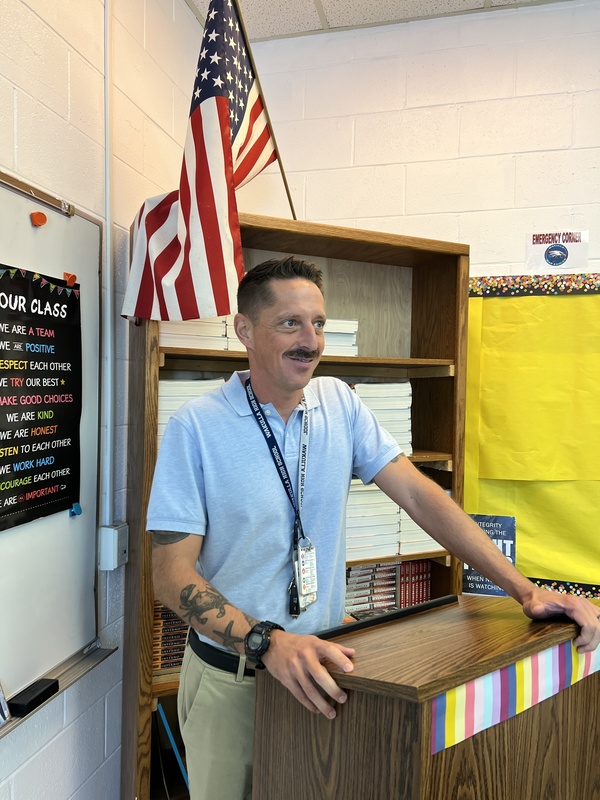
Richardson began incorporating veteran interviews into her teaching in 2005, helping students develop thoughtful questions before opening her classroom to local service members like Wakulla County Schools Superintendent Richard Myhre.
“There are few honors greater than serving your country,” Myhre said. “However, being given the chance to educate America’s youth on what that service means is a close second.”
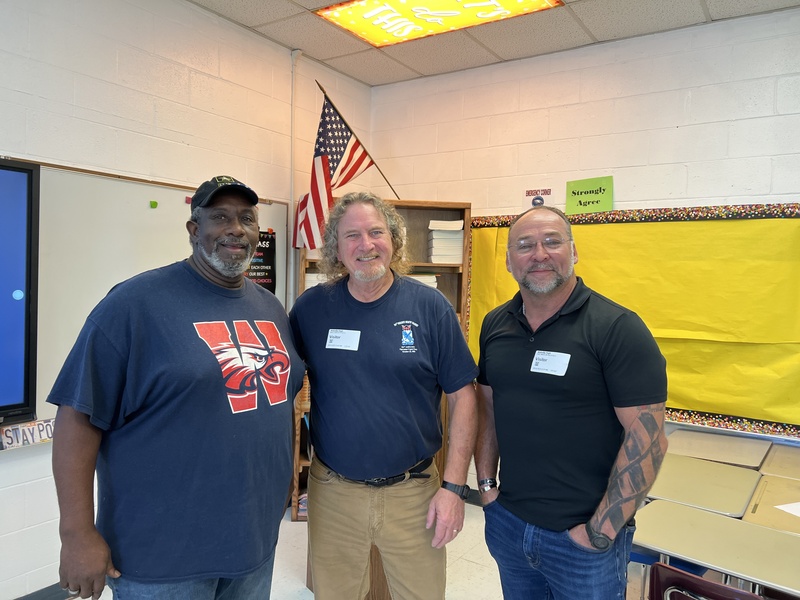
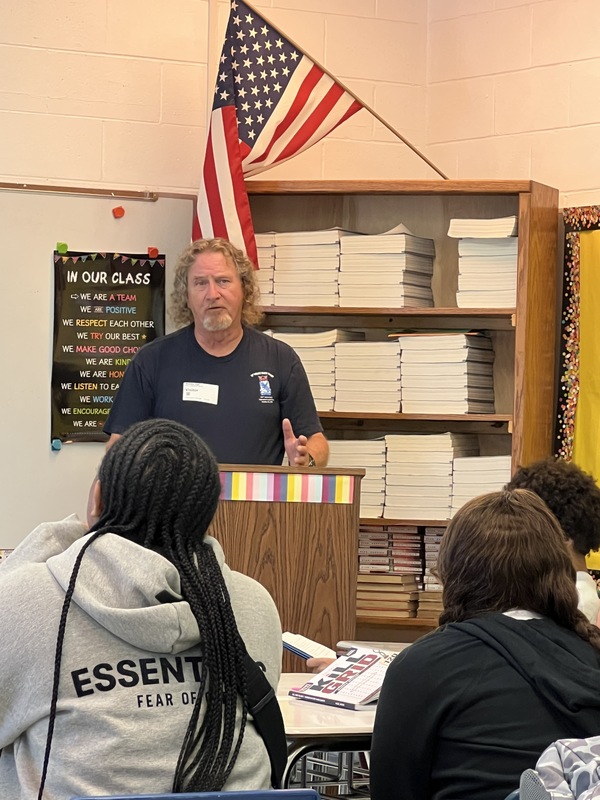
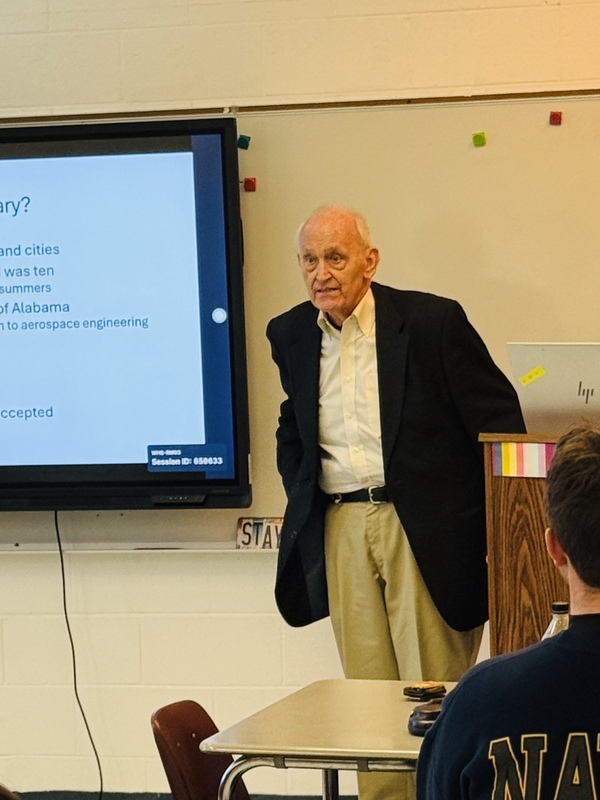
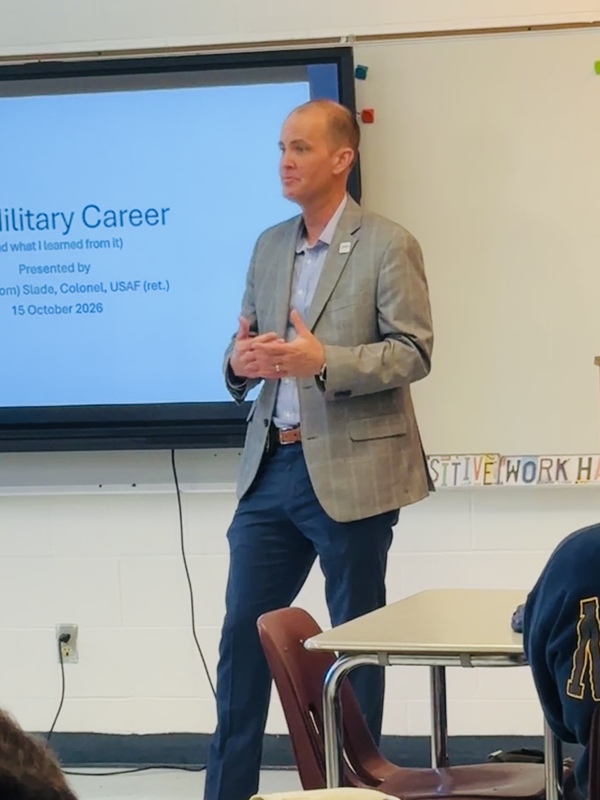
Representing multiple generations, the guest speakers shared how military service has changed over the decades, offering perspectives shaped by different conflicts and assignments. WHS custodian Jeffery Donaldson recalled perilous journeys through the Korean countryside as a military truck driver and fuel specialist. Retired Air Force Colonel Tom Slade described a career in logistics that began during the Vietnam era and later took him to the Pentagon, where he supported the Chairman of the Joint Chiefs of Staff. He also served as the U.S. Air Force's senior officer in Saudi Arabia, overseeing the activation of
three new military bases. During more recent combat deployments to Iraq and Afghanistan, WHS ROTC instructor Michael “Gunny” Long worked primarily with rockets and mortars. After 26 years of service, Long treasures what all the guest speakers share: time with family and the opportunity to mentor youth.
The veterans shared stories of adventure, camaraderie, and service, but they also spoke openly about the challenges of military life. Their conversations touched on separation from family, difficult decisions, the loss of fellow service members, and the lasting friendships forged through shared experiences.
Beyond their military experiences, the veterans offered lessons about perseverance, responsibility, and finding purpose. WHS history teacher Tim Colman described the difficulty of transitioning to civilian life and how his search for purposeful work eventually led him back to his alma mater. Wakulla County Commissioner Fred Nichols discussed finding purpose in law enforcement and continuing to serve his community by teaching gun safety courses.
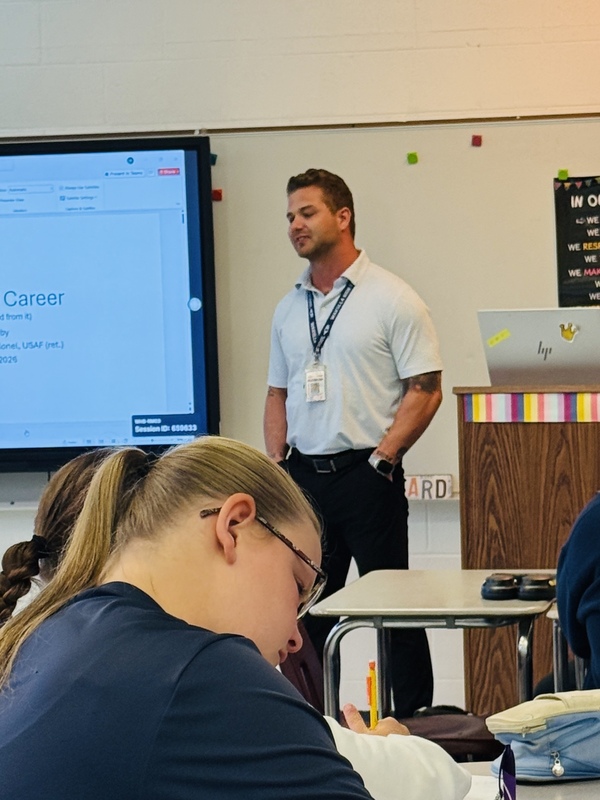
Colonel Slade prepared a PowerPoint offering advice on setting goals, taking responsibility for one's actions, and learning from mistakes. He emphasized that the five best words a supervisor can hear are, “I’ll take care of it.”
For some students, the veterans' stories offered new perspectives on their own lives. WHS junior Jachai Howard centered his speech around respect, noting that listening to the veterans provided a new outlook on his father, a veteran. “When I was younger,” Howard said, “I remember getting frustrated, but now I realize that my father has been trying to teach me the value of respect all along. It’s not just about respecting ourselves and others, but it’s also about our role as Americans.”
Overall, students noted that the interviews helped transform a broad patriotic theme into a topic of personal interest. Some began researching women’s roles in the military and advances in technology. Others were drawn to retired educator Bill Peck’s stories of brotherhood or wanted to investigate the challenges facing homeless veterans.
Students showed the greatest interest in veterans' benefits, particularly access to mental health services. They were encouraged to learn more after some of the guests spoke candidly about grief, loss, and the difficulty of coping while separated from family and familiar support systems. For many students, these conversations deepened their understanding of the sacrifices veterans continue to make long after their active service ends.
“Moving forward, we should do a better job of appreciating our country and the people who serve it,” said junior Noah Balacz. “Because of just one conversation I had with a veteran, I will now be able to do that.”
As an educator, Richardson sees the project as an opportunity to develop students' critical thinking skills while encouraging them to consider their responsibilities as citizens. She said, “As Americans, we should examine our past, question our present, and imagine our future. We need to learn to solve problems respectfully alongside people whose opinions and priorities differ from our own.”
After meeting the veterans and interviewing her uncle, student Kelsey Fruggerio said, “The biggest lesson I learned is that loving America is not just about waving the flag or celebrating a holiday. It is about appreciating our freedom, respecting the people who protect America, and doing our best to make our country a better place for everyone.”